
Of every page on a law firm site, the attorney bio page is where a visitor makes the final trust decision — not the homepage, not the practice area page. Our broader law firm website design guide covers the full picture; this article goes deep specifically on the bio page, since it deserves its own careful treatment.
Why the Bio Page Matters More Than Attorneys Realize
A visitor who has read a practice area page and is genuinely considering reaching out almost always clicks through to the attorney’s bio next — it is often the last page viewed before a phone call or form submission. A weak bio page at this exact moment can lose a visitor who was otherwise ready to convert.
This is especially true for family law specifically — see family law and divorce attorney website design guide for how bio pages carry even more weight in that practice area.
For how that homepage journey is structured before a visitor even reaches your bio, see the law firm homepage structure that actually converts.
Start With a Real, Professional Photo
A genuine photo — not a decade-old headshot, not a corporate stock image — is non-negotiable. Visitors want to see the actual person who would represent them. A current, professional but approachable photo outperforms a formal, distant one for building the kind of trust a worried client needs.
For the full real-vs-stock photography breakdown across the whole site, see stock photos vs real photography on law firm websites.
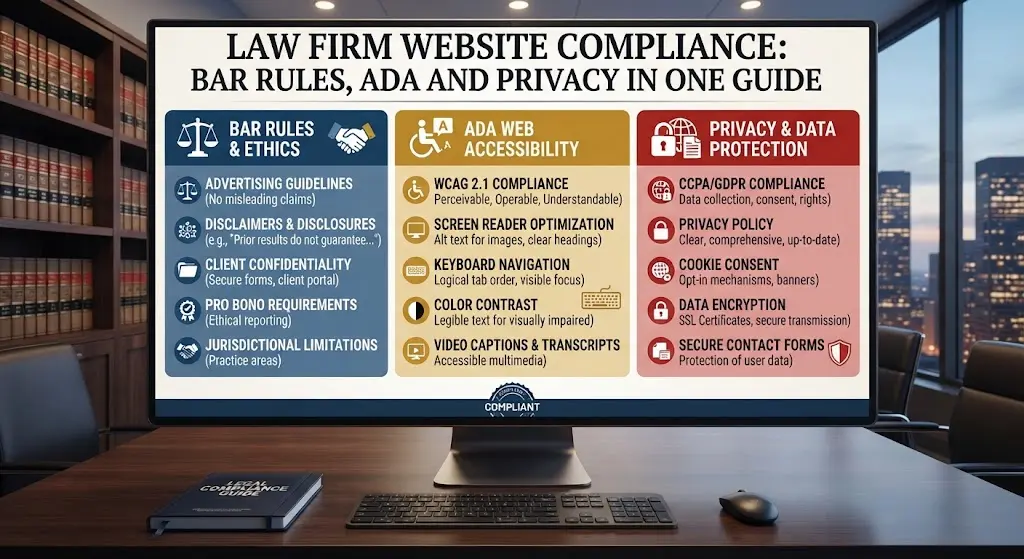
Bio page photos also need proper alt text for screen reader accessibility — see law firm website accessibility: ADA compliance made simple for the complete checklist.
Open With a Personal Line, Not Credentials
Most bio pages open with “[Name] graduated from [Law School] in [Year]” — credentials first, person second. Flip that order. Open with why this attorney practices this specific area of law, or what drives their approach to clients. Credentials still belong on the page, just not as the very first thing a visitor reads.
Highlight Notable Case Types, Not a Resume List
Rather than a chronological work history, describe the kinds of cases this attorney actually handles and has real experience with. A visitor cares whether this attorney has handled situations like theirs, not the full sequence of past job titles.
For immigration attorneys specifically, personal background and language fluency can be an especially meaningful bio element — see immigration lawyer website: design for multilingual, high-trust clients.
Include Credentials, But Placed Second
Education, bar admissions, board certifications, and years of practice all still matter — they just belong after the personal introduction and case experience, not as the opening line. This ordering keeps the page human first, credentialed second.
For patent attorneys specifically, a technical or scientific credential is a particularly strong trust signal — see intellectual property attorney website design guide.
A Direct Call to Action From the Bio Itself
A “Schedule a consultation with [Name]” button on the bio page itself — not just a generic site-wide contact link — converts better, since the visitor is specifically ready to talk to this person at this moment in their research.
A Before-and-After Example
Before: “Mr. Johnson received his J.D. from State University School of Law in 2008 and has practiced family law for fifteen years. He is a member of the State Bar Association.” This is accurate, complete, and forgettable — a visitor learns nothing about how this attorney would actually handle their divorce or custody situation.
After: “I became a family law attorney because I watched my own parents go through a contentious divorce, and I decided early that families deserved someone who would fight for a fair outcome without making things harder than they already were. Over fifteen years, I’ve helped hundreds of parents navigate custody arrangements, divorce proceedings, and everything in between — always with the goal of protecting what matters most to my clients.” Credentials and bar admissions still follow further down the page, but the opening now tells a visitor something real about how this attorney approaches their work.
A Well-Structured Bio Page Template
- Real photo
- Personal opening line (why they practice this area of law)
- Notable case types / areas of focus
- Education and bar admissions
- Awards, recognitions, professional memberships
- Direct schedule/contact call to action
Bio Pages for a Multi-Attorney Firm
Every practicing attorney needs an equally complete bio, but that does not mean every bio needs to be identically structured — a senior partner’s bio might emphasize decades of case history, while a newer associate’s bio can lean more heavily on their specific areas of focus and personal approach. What should stay consistent across all of them is the template: real photo, personal opening, case experience, credentials, and a direct contact call to action. Consistency in structure with variation in content keeps the firm feeling cohesive while still letting each attorney’s individual voice come through.
Common Bio Page Mistakes
Overly formal, third-person corporate language (“Mr. Smith brings twenty years of experience”) reads as distant. Write in first person where possible — it feels more personal and approachable. Also avoid burying the bio two clicks deep in navigation; it should be reachable directly from the main menu, not just linked from an “About” page.
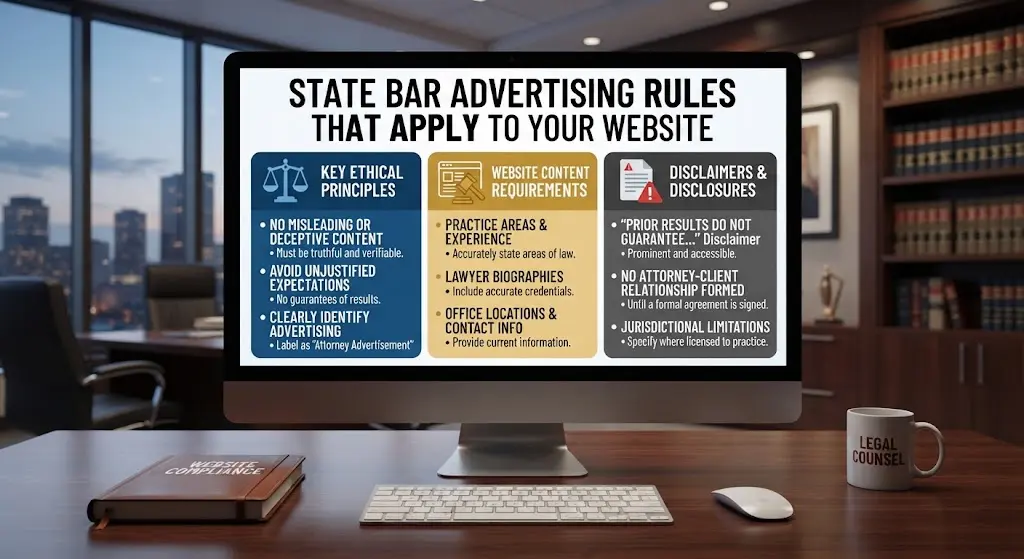
Bio pages including case results or specific claims should also be checked against state bar advertising rules that apply to your website.
Common Questions About Attorney Bio Pages
How long should a bio page be?
300-600 words is typically enough to cover the personal introduction, case experience, and credentials without becoming a wall of text a visitor will skim past.
Should every attorney at the firm get an equally detailed bio?
Yes — clients search for and connect with specific associates, not just senior partners, so every practicing attorney deserves a genuinely complete page.
Should bio pages include client testimonials specific to that attorney?
Yes, if available and bar-compliant — a testimonial specifically praising this attorney’s handling of a case carries more weight placed on their own bio page than buried in a general testimonials section.
Is it acceptable to reuse the same photo across the website and LinkedIn or other profiles?
Yes, and it is actually helpful — consistency across platforms makes an attorney easier to recognize and verify, which itself reinforces trust rather than undermining it.
Bottom Line
The bio page is where trust becomes a decision — treat it with the same care as your homepage, not as an afterthought. See how we design bio pages that convert →
Attorney Website Designers builds custom law firm websites, including bio pages designed to convert, exclusively for attorneys across the USA. Book a free 15-minute call to see examples.